The International Union for Agroforestry
Uniting agroforesters around the world
Image: CIFOR-ICRAF
Join a global community of agroforesters
IUAF is a network of members sharing a common interest in agroforestry
Members have agreed to collaborate to develop a set of values, principles, policies, procedures, standards, and guidelines designed to advance agroforestry and a holistic system approach to land management.
The IUAF is an international platform for individuals and institutions to share agroforestry practices and research.
Members of IUAF can contribute to the improvement of agroforestry through information sharing and collaborations with each other. Our goal is the worldwide adoption of agroforestry practices by governments, policymakers, regulators, and farmers as together we can contribute to more sustainable agriculture and help our planet.
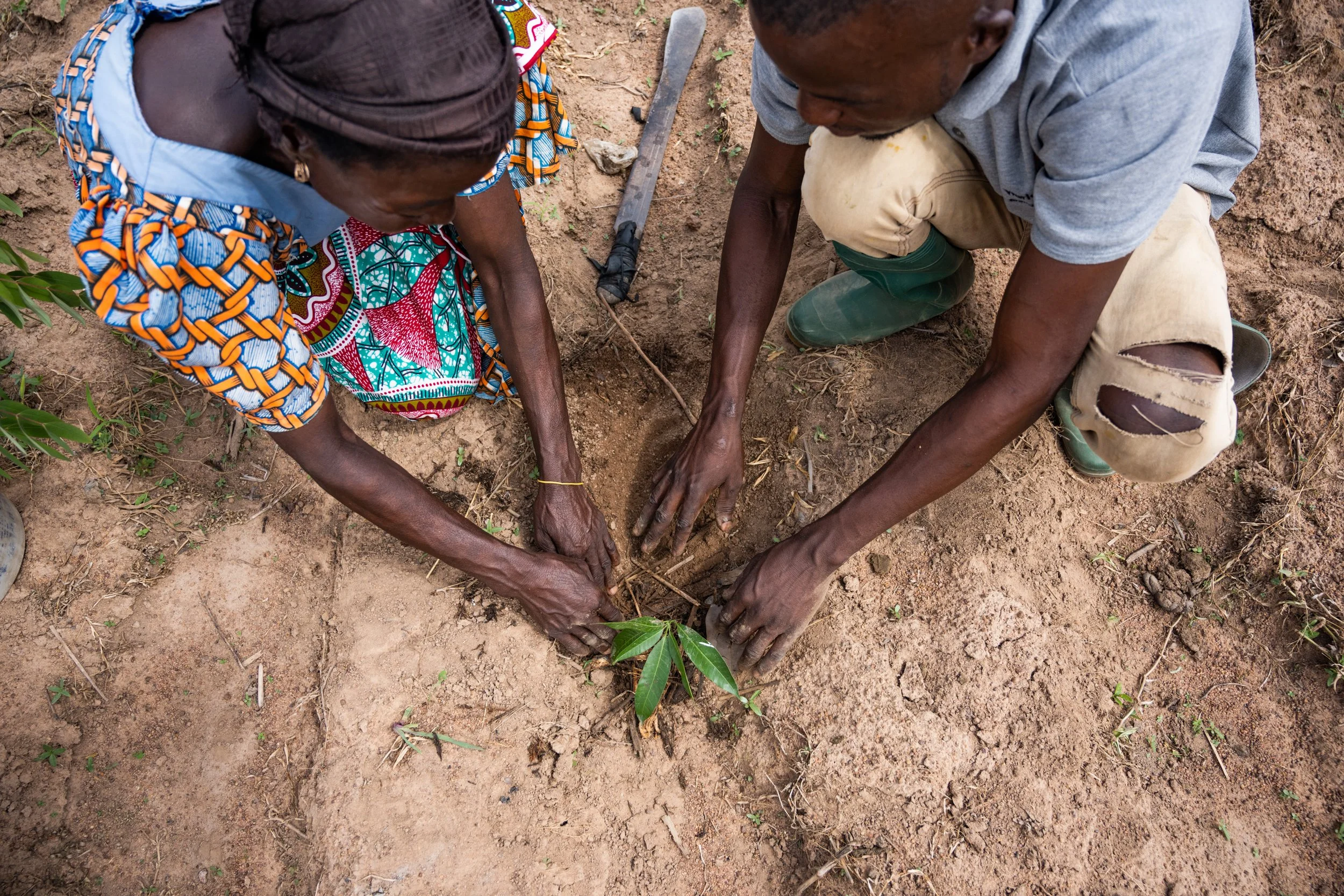
Image: CIFOR-ICRAF
Our partners