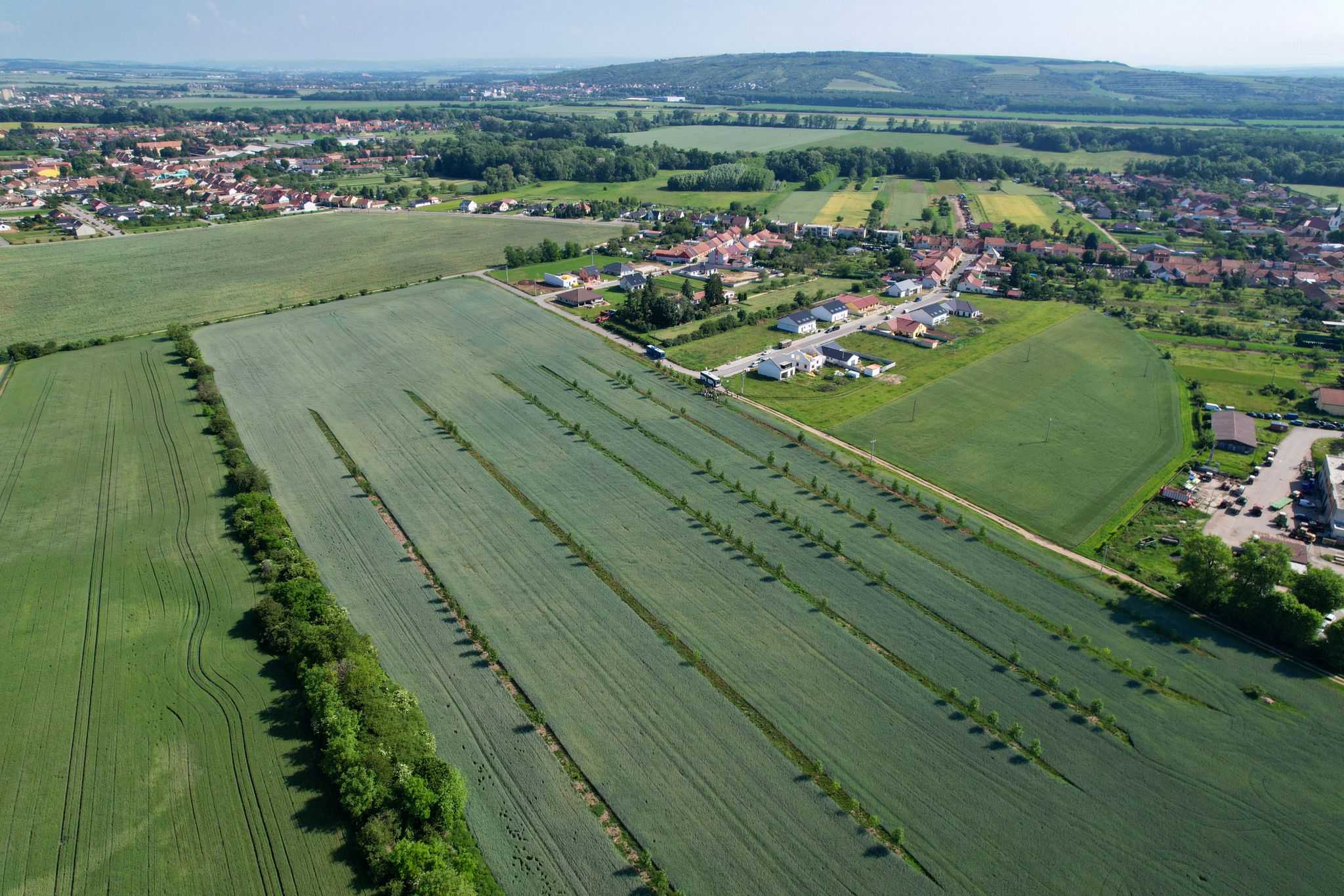
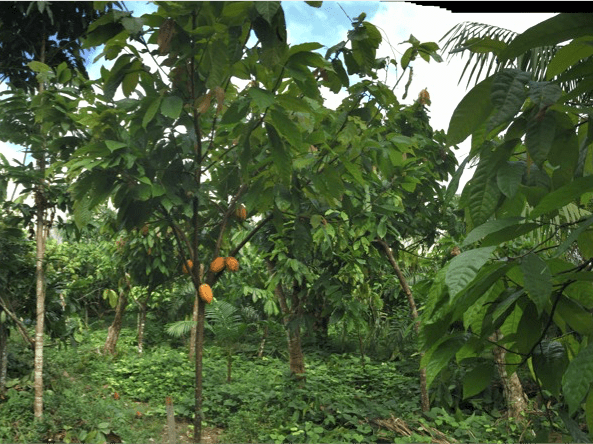
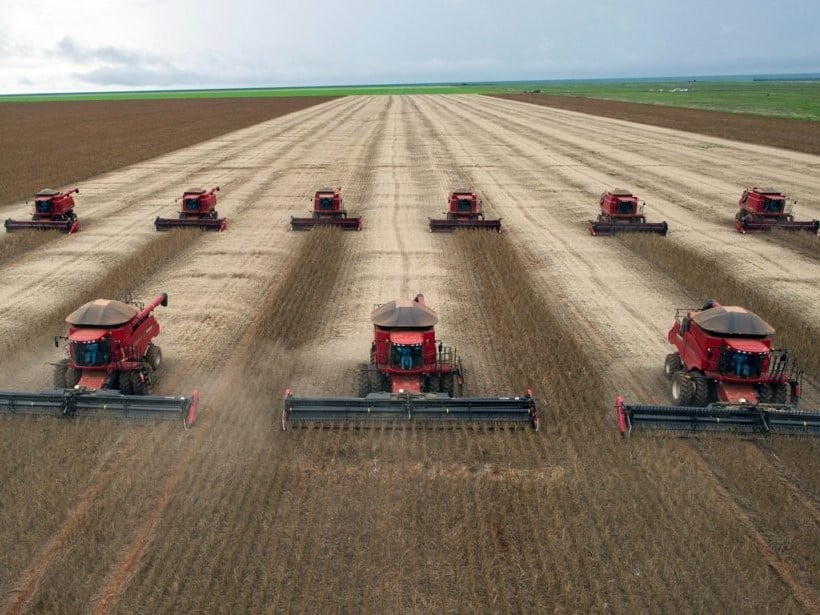
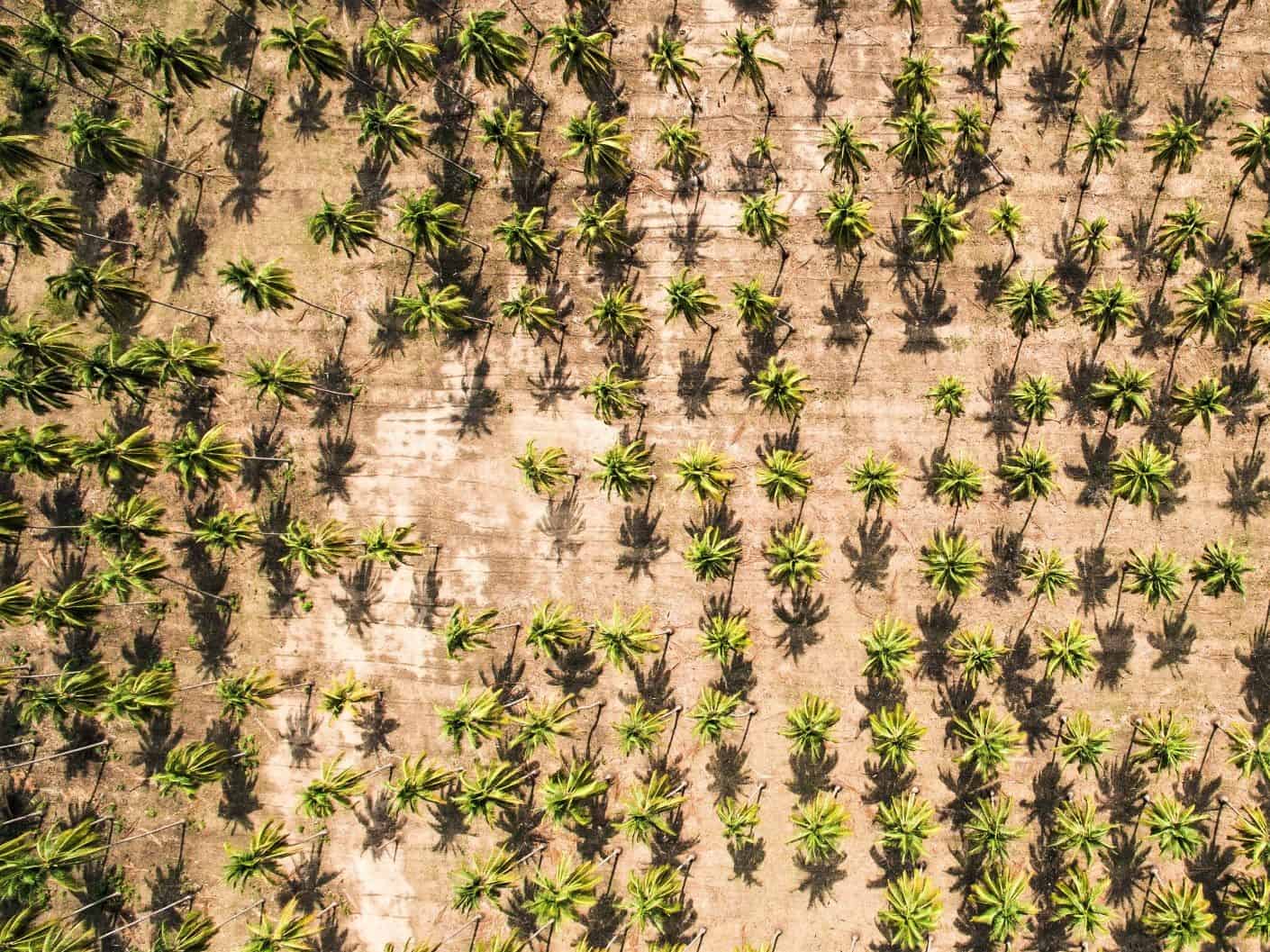
Amidst change and challenge, farming’s destiny remains uncertain. Around the planet, farmers are getting older. Their children aren’t following in their footsteps. Why? Many reasons, but there are some key ones. In the rich world, land is becoming unaffordable for budding farmers. Then there’s the extreme intensification of cropping: arable farming can make do with one full-time worker per 250Ha…
IUAF is pleased to have opened discussions focused on the Czech Republic’s commitments to agroforestry and how Czechia might contribute and participate in IUAF operations and the 6th World Congress on Agroforestry. By IUAF Board Member, Jakub Houska & Patrick Worms, President of IUAF PRAHA – On August 13th, two members of the IUAF board, Jakub Houska and Patrick Worms, its President, met…
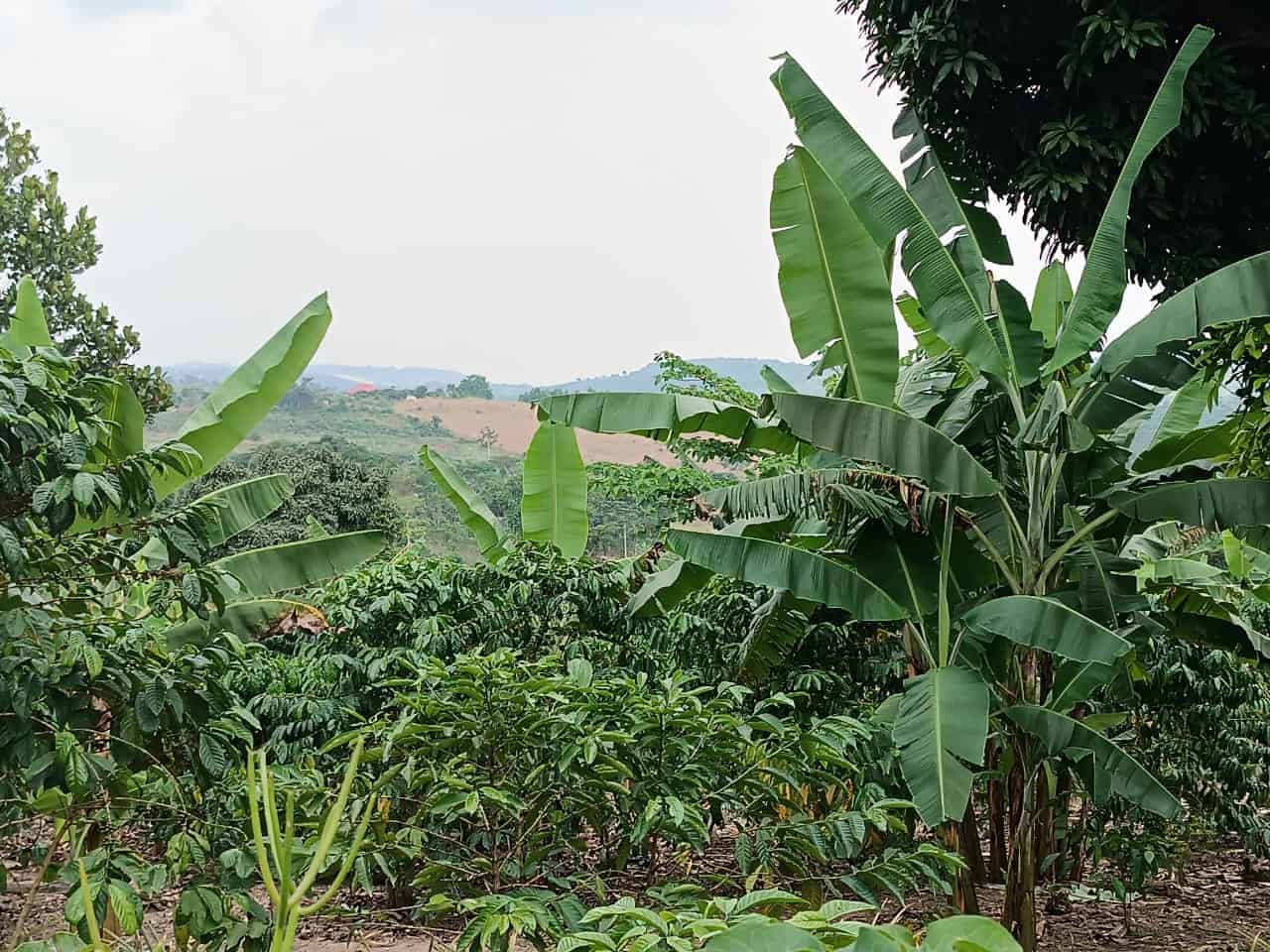
Dr. Emeline Assede, University of Pakarou, Benin, IUAF Board Trustee and Award Winner of the “Best Young Scientist of Benin” I recently had the honour to participate in a field study with several other scientists from around Africa sponsored by the Agropolis Foundation in partnership with Makerere University to provide a comprehensive understanding of the agricultural landscape in Mytiana, Uganda,…
Today we meet with IUAF trustee Dr. Eduardo Somarriba, a plant ecologist who has been working in agroforestry for 43 years, specializing in multi-strata systems with cocoa and coffee. He has focused on designing the optimal shade canopy and has developed software to model different configurations. Eduardo has written over 300 scientific publications on agroforestry to date. Recently, Eduardo has actively contributed to a…
Tropenbos International shares its latest publication, “Agroforestry at Work”. By Patrick Worms, President of the International Union for Agroforestry As President of the International Union of Agroforestry (IUAF), I am honoured to introduce this compendium of knowledge — a collection of 26 studies meticulously curated by Tropenbos International. This volume showcases the manifold advantages of agroforestry and testimony to the transformative…
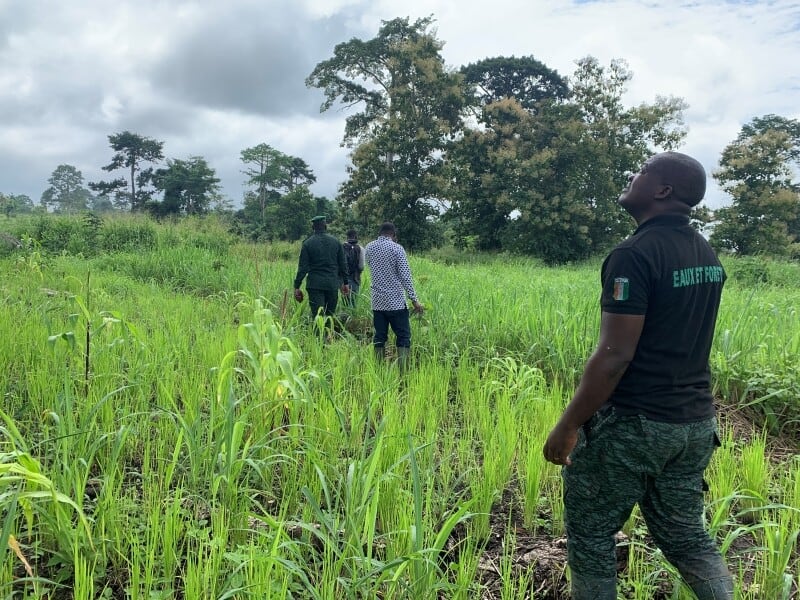
As Côte d’Ivoire’s farmers are finding out, that means trouble. By Patrick Worms, President of the International Union for Agroforestry West Africa’s coast used to be thickly forested, with rainforests hugging beaches and mangroves. Marching far inland, the forests were home to an astonishing diversity of trees and forest creatures, ranging from dozens of monkey species and chimpanzees to okapi…
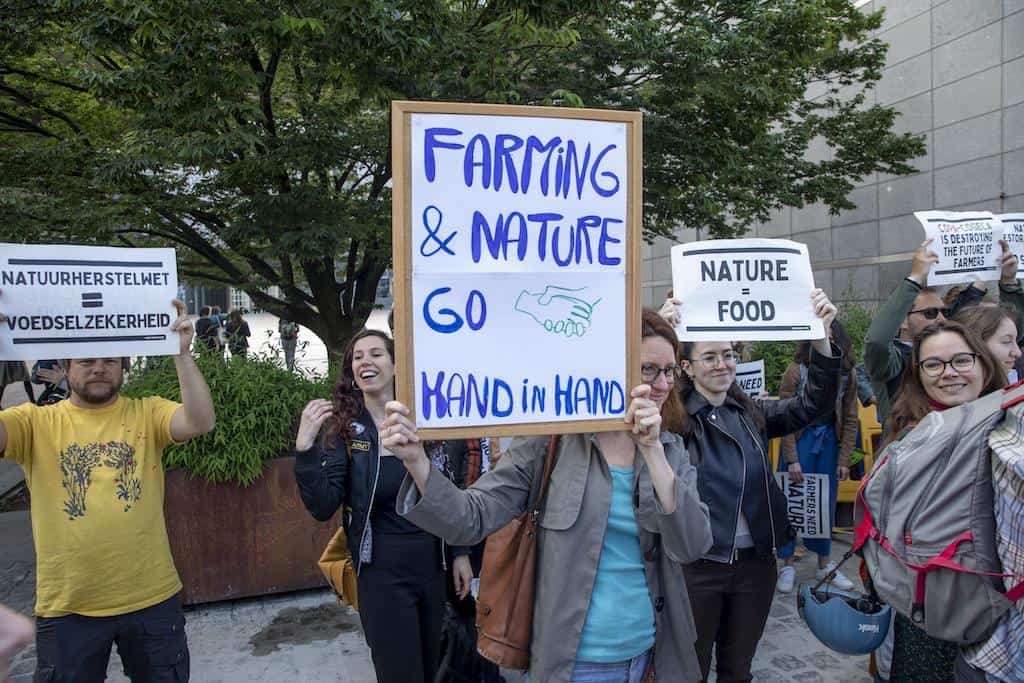
By Patrick Worms, President of the International Union for Agroforestry. Worldwide, farmers face great challenges due to increased competition in their sector. And that applies around the world, in the industrialised temperate north and in the rising economies of tropical Asia or the drylands of Africa. For example, external investors in Europe can purchase agricultural land in many EU countries.…
Combat climate change and hunger with trees – agroforestry is a key approach to help achieve the global goals Link to the original article by Agroforestry Network here. Photo shows Benta Muga in Kenya practicing agroforestry on her farm, planting trees together with crops. Photo credit: Amunga Esuchi. Vi-skogen. Can agroforestry – a land management system combining crops, trees and…
The article “Positive but variable effects of crop diversification on biodiversity and ecosystem services”, published in Global Change Biology on 18 July 2021, assembles for the first time a substantial body of empirical evidence on the positive impacts of cultivated biodiversity on agroecosystems. The first author Damien Beillouin, a CIRAD agronomic data analysis specialist, stresses the scope: “Most studies to…
The magic pizza pie of climate change solutions has several big fat slices marked “trees”. People have noticed, which is why we have trillion tree campaigns, billion tree campaigns and hundreds more. Yet such well-intentioned efforts can do a lot of damage if not informed by science (just look at the disasters of Europe’s biofuels and biomass policies). Not every…
Since we modern humans started spreading across the planet, we have killed off the megafauna of every continent but Africa (we evolved there, giving the local wildlife time to become wary of us) and Antarctica (not much megafauna to be had on miles of ice). Today, we live in a world in which on average, wild species have seen their…
With all those well-meaning efforts to plant trees out there, alarm is justifiably being raised that sometimes, those trees will do more harm than good. That’s why it’s helpful to start any tree project with the thought that the objective is to “regenerate with trees” or “restore with trees”, rather than “planting trees” or even “growing trees”. After all, the objective of…